
VINTAGES
VINTAGE 2024
2024 GROWING YEAR
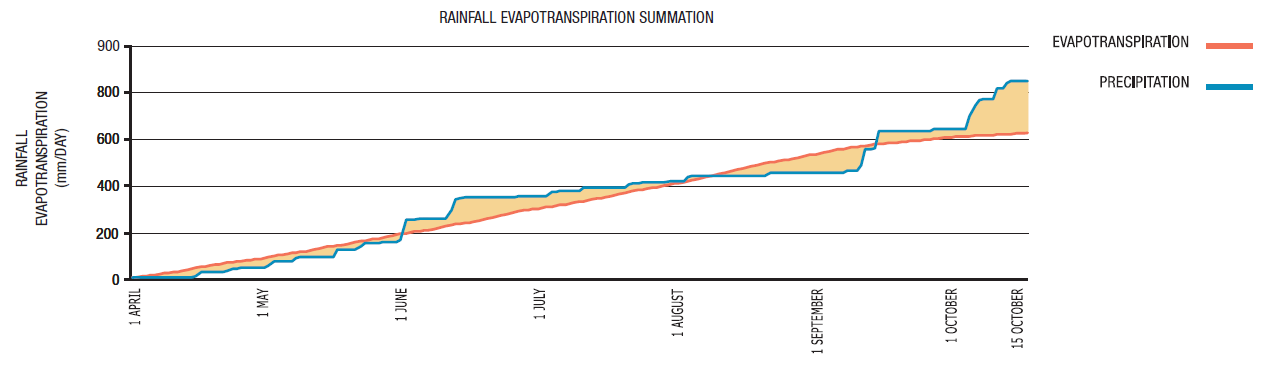
The 2024 growing season was defined by pronounced meteorological variability. An exceptionally wet and cool spring was followed by a markedly hot and dry summer. Overall, the year can be characterized as one of climatic extremes: total precipitation reached 1,350 mm, largely concentrated in the spring months, while extreme summer heat, coupled with limited rainfall, exerted a measurable impact on vineyard productivity.
WEATHER CONDITIONS
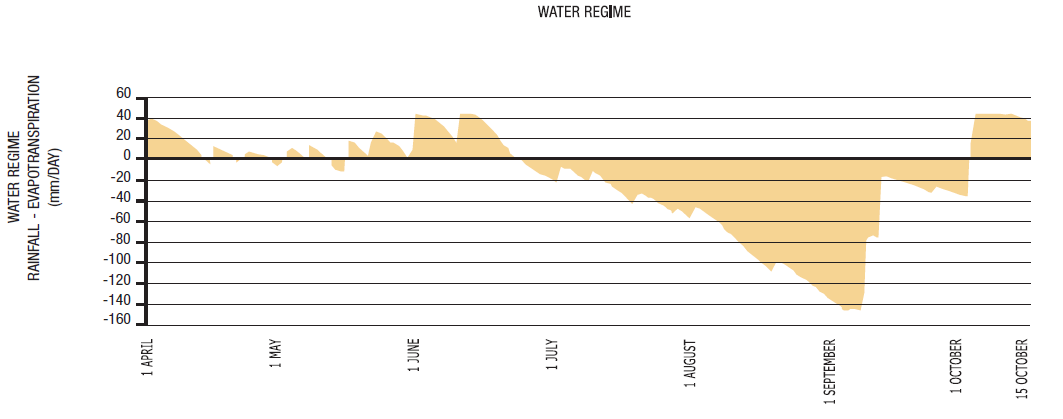
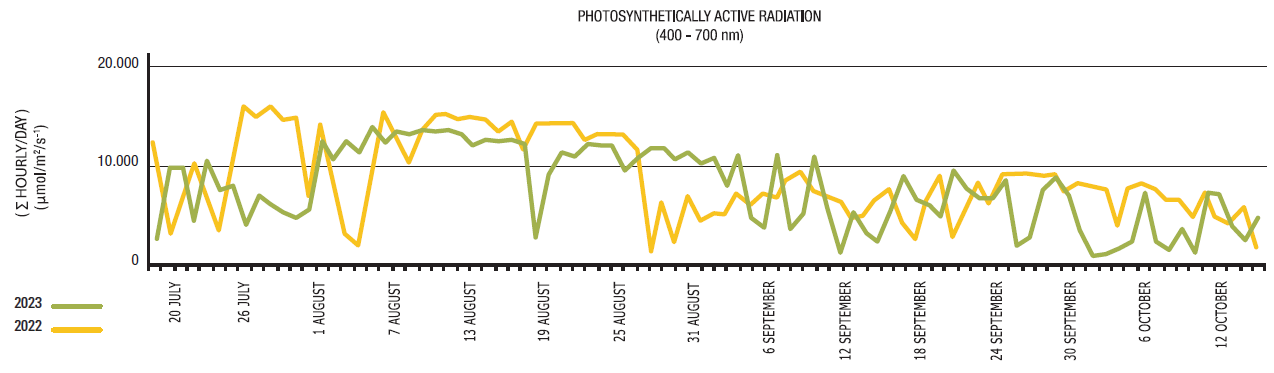
Winter precipitation was broadly in line with historical norms in the Isonzo Valley, with abundant snowfall in the Alpine areas, particularly in the latter part of the season. A significant cold wave affected the estate from mid-January through mid-February, with minimum temperatures reaching -5/-6°C. From the second half of February onward, temperatures rose rapidly, triggering early sap flow in the vines in early March and bud break beginning on March 25, approximately one week ahead of the seasonal average. Stable weather and elevated temperatures persisted until April 16, when a strong polar vortex caused a sharp temperature drop of approximately 20°C. Under these conditions, substantial snowfall occurred even at low elevations, accompanied by two frost events with minimum temperatures of -2/-3°C. Frost episodes on April 17 and April 22 required the activation of our wind machines to mitigate freeze damage. Favorable weather returned from April 28, with temperatures realigning to seasonal norms. This was followed by a markedly rainy phase that characterized most of May and part of June, slightly slowing vine phenological development. Nevertheless, flowering commenced approximately five days earlier than the historical average. During the core summer months (July–August), temperatures reached particularly elevated peaks. While initial soil water reserves helped buffer plant stress, the latter part of the season, especially throughout August, was marked by pronounced water deficit. Autumn then saw a return to high rainfall levels; fortunately, harvesting operations had been completed several days earlier. The high rainfall recorded early in the season created favorable conditions for fungal pressure on both foliage and clusters, necessitating rigorous vineyard monitoring and precise timing of phytosanitary interventions, particularly around the flowering phase. In contrast, the summer period presented opposite challenges. Elevated temperatures and the absence of meaningful precipitation significantly increased evapotranspiration, leading to notable vine water stress. The presence of modern irrigation infrastructure across our vineyards, equipped with micro-drip emitters, enabled the delivery of small, precisely calibrated water volumes, maintaining vines under controlled and balanced water stress conditions. This approach also effectively prevented berry sunburn associated with excessive solar radiation and high berry surface temperatures.
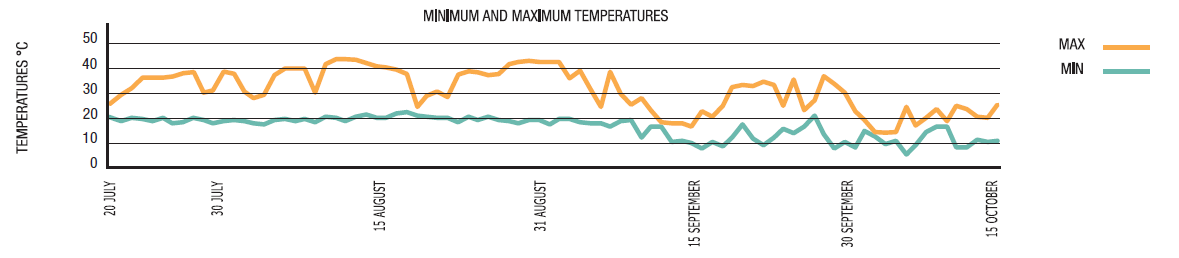
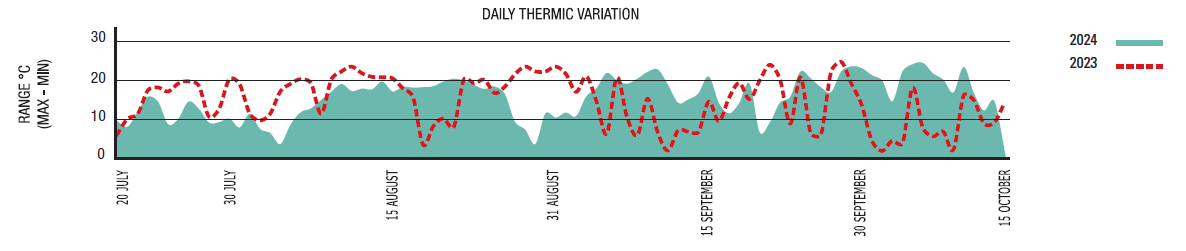
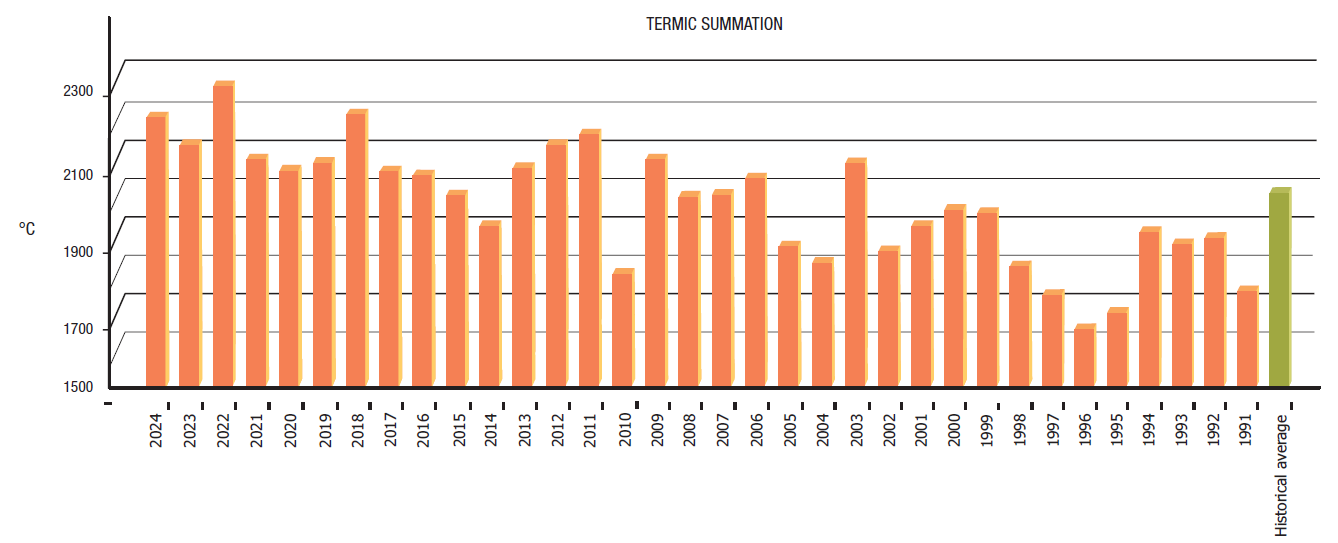
Veraison commenced a few days earlier than average, initially progressing slowly before accelerating markedly in the second half of August. Harvest operations began earlier than historical norms, in line with recent vintages. The first fruit, Pinot Grigio and Sauvignon Blanc, was picked starting on August 27. Overall, favorable late-season conditions enabled the harvesting of perfectly healthy grapes, showing excellent aromatic ripeness in both pulp and skins, while preserving a sound malic acid profile. Although 2024 ranks as the second warmest vintage of the past three decades, surpassed only by 2018, the aromatic expression achieved and the wellmaintained acid backbone allow this vintage to be classified as one of notable balance and elegance. Comparable recent vintages include 2020 and 2017.